
The argument in favor of using filler text goes something like this: If you use any real content in the Consulting Process anytime you reach.


Choosing Apple Varieties for a Mixed Russet Crop
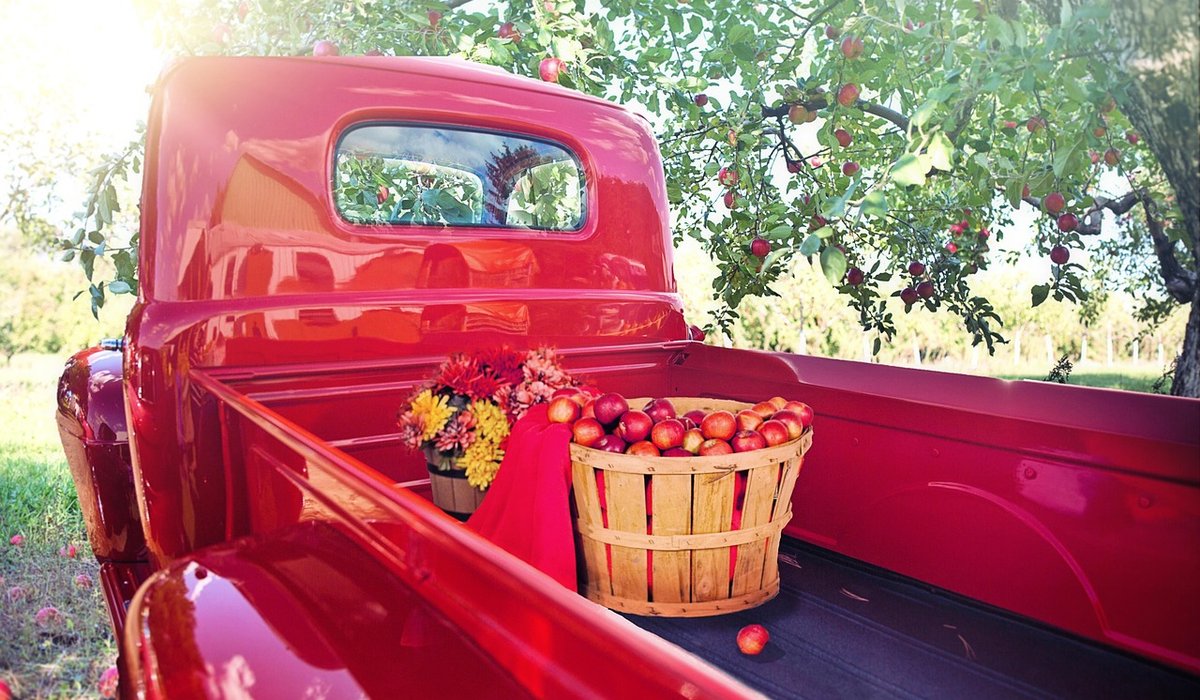
Why Russets Earn Their Place
Rough-skinned, dull gold and frequently lumpy, russets are the apples that look least promising on the stall and taste the most interesting off the tree. That tough, leathery skin shrugs off scab better than most, travels well and bruises far less than a shiny Cox. On a smallholding, where you want fruit you can eat fresh, bake into a pie and still have a crate left in February, they are hard to beat. Russets also tend to be steady, spur-heavy croppers that suit cooler, damper conditions better than many of the prettier dessert varieties.
Sorting Out Pollination Groups
Apples flower over a few weeks in spring, and varieties are grouped from Group 1 (earliest) up to Group 5 or 6 (latest). A tree sets fruit with a partner from its own group or an adjacent one, so a Group 3 russet will cross happily with Group 2, 3 or 4 neighbours. If you only have space for three trees, choose groups that overlap rather than a spread from 2 to 6.
- Triploids are the exception. Bramley's Seedling, Ribston Pippin and a handful of others produce little usable pollen, so they cannot pollinate your russets. Plant two other varieties alongside them.
- Distances matter less than you think. Bees will work trees 100 metres apart, but the closer the better — a neighbouring orchard within sight of yours is ideal.
- Group lists vary. Some references put Egremont Russet in Group 2, others Group 3. Either way it overlaps with most mid-season russets, so don't lose sleep over it.
Crab apples can act as pollinators if their blossom coincides, but they are a backup, not a plan.
Dessert Russets for a Cooler Climate
Egremont Russet is the one to start with. Compact, spurring, reliable even on poor ground, and it ripens from late September into October with a dense, nutty, almost pear-drop flavour. It stores to Christmas without a fuss and often sets a light crop on its own.
St Edmund's Russet, raised in Suffolk, is markedly more scab-resistant than most and worth seeking out on wet western sites. It is crisp, brisk and honeyed, keeping into January.
Pitmaston Pineapple is the connoisseur's choice: small, golden-brown, with a genuine pineapple-and-hazelnut tang. It is a tip bearer, so prune lightly, and it does not store long — eat it in October and November.
Ashmead's Kernel is a Gloucestershire apple of real intensity, sugary-sharp and aromatic, holding until February. It crops erratically and can be canker-prone in damp air, so give it the best-drained spot you have.
Culinary and Dual-Purpose Workhorses
If you cook as much as you eat raw, the dual-purpose russets earn their keep.
- Rosemary Russet — a Devon apple, heavy and regular, sharp but rich enough to eat out of hand. Keeps well into the new year and makes a first-rate baked apple.
- D'Arcy Spice — russeted, aromatic, spicy and firm. Needs a warm corner to ripen properly but then stores until April, improving in flavour as it sits.
- Golden Russet — very sweet, very dense, excellent for cider, dried apple rings and long storage into spring.
- Roxbury Russet — large, green-gold, tart when cooked and pleasantly brisk eaten fresh. A heavy cropper that keeps for months.
- Knobby Russet — a Sussex curiosity with a warty, lumpy skin and a firm, sharp flesh. Not the prettiest, but a solid kitchen apple and a talking point.
Flavour: Decide Before You Dig
Russets are not a single flavour. Broadly, they fall into two camps: the nutty, honeyed, low-acid types such as Egremont and Pitmaston Pineapple, and the brisk, winey, high-acid types such as Rosemary Russet and D'Arcy Spice. If you want apples for cheese boards, choose the first. If you want pies, sauce and cider, lean to the second. Dual-purpose varieties sit in the middle and are the sensible choice when you only have room for a few trees.
Storage and Planting Notes
Russets store better than almost any other group, but only if you treat them properly. Pick by hand when the fruit lifts easily with a gentle twist, keep the stalk intact, and never drop them into a bucket. Sort out any bruised or damaged fruit immediately.
- Store in slatted wooden boxes or single layers on paper in a cool, dark, humid shed at 3–4°C. Avoid sealed plastic — you want airflow, not sweat.
- Check fortnightly and remove any fruit showing rot, or one bad apple will take the crate.
- Order bare-root trees from November to March and plant immediately. On a windy or exposed site, use MM106 or M25 for anchorage; M26 suits a sheltered, smaller plot.
- Keep a two-metre cleared circle around young trees for the first three summers, and stake for at least five years on dwarfing rootstocks.
Get the pollination groups and the flavour profile right, and a mixed russet crop will give you something worth eating from September right through to the first warm days of spring.

Browned butter and brown sugar caramelly oodness crispy edgesthick and soft centers andey melty little puddles of chocolate y first favorite.Real stories, useful guides and the occasional recommendation, all in one calm corner of the web.
Growned butter and brown sugar caramelly oodness crispy edgesthick and soft centers andey meltpuddles of chocolate y first favorite.Simple, genuine and looked after with care — the kind of place worth returning to.
Learn the right cuts for apples, pears and plums without damaging buds. Remove crossing branches first, then shape the young framework for good airflow.
Thomas A. Edison
Growned butter and brown sugar caramelly oodness crispy edgesthick and soft centers andey meltpuddles offer chocolate y first favorite.Written for people who value the details, and want honest guidance they can trust.e breathing, we blessed. Surround yourself with angels.

Customer Engagement Marketing New Strategy for the Economy
Sow native wildflower seed along fence lines to support pollinators and predators. Mow paths lightly in the first season while established plants set seed.
- Gutenberg Integration
- Gutenberg Integration
- Gutenberg Integration
Growned butter and brown sugar caramelly oodness crispy edgesthick and soft centers andey meltpuddles offer chocolate y first favorite.Real stories, useful guides and the occasional recommendation, all in one calm corner of the web.e breathing, we blessed. Surround yourself with angels.

Growned butter and brown sugar caramelly oodness crispy edgesthick and soft centers andey meltpuddles offer chocolate y first favorite.Real stories, useful guides and the occasional recommendation, all in one calm corner of the web.e breathing, we blessed. Surround yourself with angels.

Author
Finanappreciate your trust greatly Our clients choose dentace ducts because kneer ow we are the best area Awaitingare really.

Previous Post


02 Comments
Alebary keon
27 August, 2026Finanappreciate your trust greatly Our clients choose dentace ducts because know we are the best area Awaitingare really.
Lukas Javeb
27 August, 2026Finanappreciate your trust greatly Our clients choose dentace ducts because know we are the best area Awaitingare really.