
The argument in favor of using filler text goes something like this: If you use any real content in the Consulting Process anytime you reach.

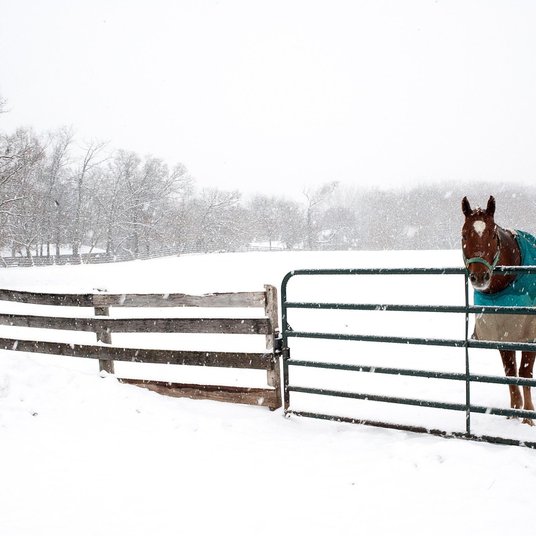
Rotational Grazing for Small Paddocks and Native Breeds
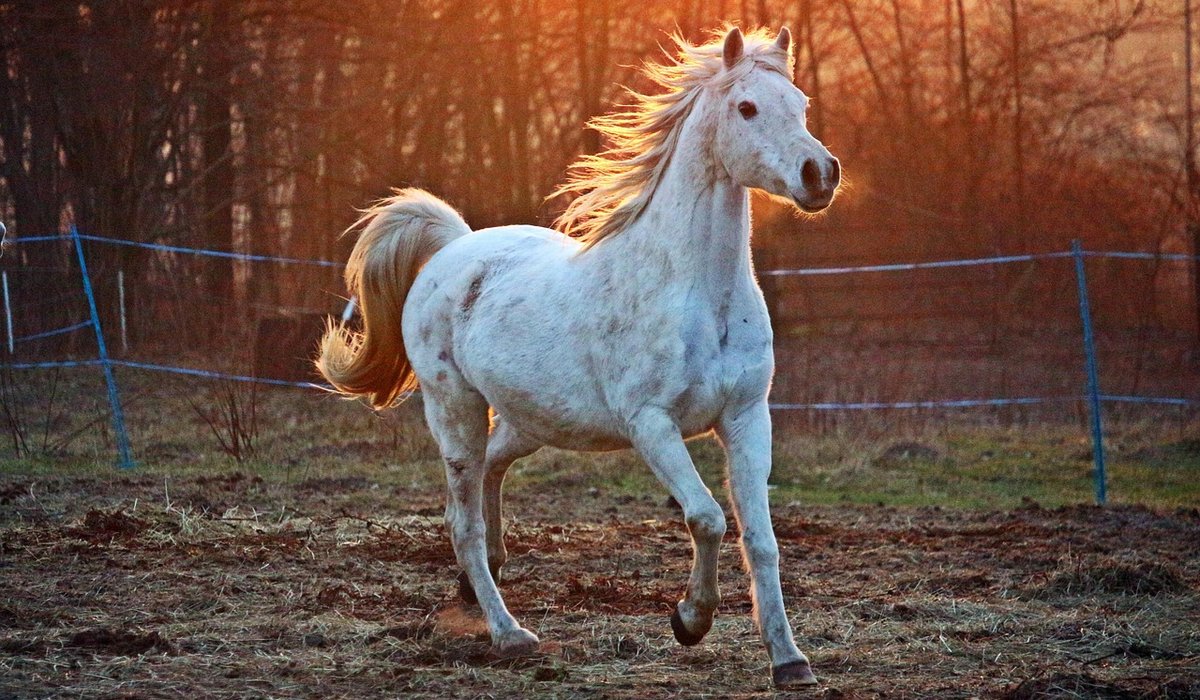
Why Rotation Beats Set-Stocking in Small Paddocks
If you keep a few ewes, a couple of Dexters or a small herd of pigs on limited acreage, you will know the damage wet weather can do. Set-stocking — leaving animals on the same patch week after week — turns gateways into bogs, leaves bare patches that weeds colonise, and builds up a worm burden that no drench will fix alone. Rotation works with the grass rather than against it. Moving livestock regularly gives the sward time to recover, breaks the life cycle of gut worms, and keeps animals on clean, appetising grazing. It suits small paddocks especially well: a reel of polywire and a handful of pigtail posts will divide a modest field into several useful blocks.
Planning Your Paddock Layout
Start with a permanent perimeter fence that is stock-proof and well maintained. Inside, create at least four to six paddocks, even if some are only a quarter of an acre. Electric netting or two strands of polywire on insulated posts will do. The aim is to let animals graze a paddock down to about 5 cm — no shorter — then move them on.
- Use a back fence so animals cannot graze the regrowth.
- Put gateways on firm ground or hardcore, and move them every few years if they poach.
- Keep paddock sizes flexible: smaller in spring, larger in autumn.
- Consider a central lane or track so you can move animals without walking through grazing.
Native breeds such as Shetland sheep, Exmoor ponies or British White cattle are thrifty and hardy, so smaller paddocks let you match grazing to their needs rather than the whole field.
How Long to Graze and How Long to Rest
The golden rule is short grazing and long rest. In summer, move animals every three to five days and rest each paddock for at least three to four weeks. In spring, growth is fast, so rest for two to three weeks — but be prepared to make hay or bring in extra animals if grass gets ahead. In autumn, rest periods stretch to six or eight weeks. In winter, on heavy clay or wet ground, do not rotate if you can avoid it. Keep animals on a sacrifice paddock, a woodchip area or in a barn, and let the rest of the farm rest.
Never graze below 5 cm in summer or 7–8 cm in winter. Leaving a decent residual keeps roots healthy and helps the sward bounce back. A back fence is essential; without it, animals will nibble new growth and undo your work.
Water, Minerals and Shelter
Clean water is not a luxury. A dirty trough grows algae and spreads disease, and animals will drink less, affecting milk yield, growth and health. Move troughs to the far end of each fresh paddock — this draws animals away from the gate and spreads manure more evenly. Portable troughs with quick-release couplings make this easy. If you cannot move the trough, scrub it weekly.
- Provide a mineral lick or rock salt, especially for breeding ewes and growing youngstock.
- Ensure shade and shelter. Native breeds are hardy, but they still need a hedge, field shelter or belt of trees in extremes.
- Site troughs on hard standing or gravel to prevent poaching.
Train animals to electric fencing early. A bucket of feed and a few days in a small paddock will teach them to respect the wire, and they will move calmly for the rest of the season.
Native Breeds and Worm Control
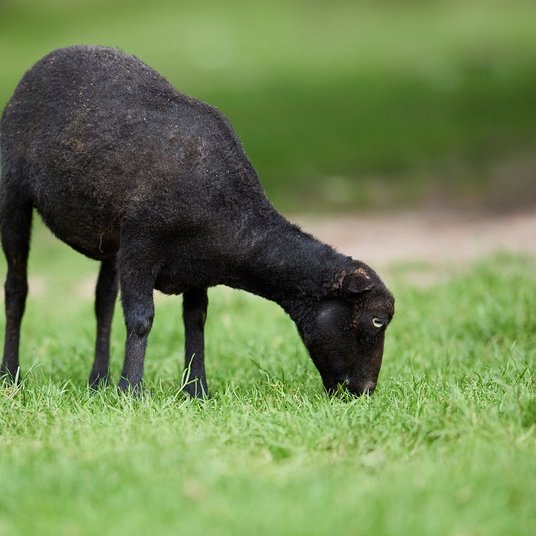
Native breeds such as Soay, Hebridean, Ryeland and Portland sheep, or Gloucester Old Spot and Tamworth pigs, are often praised for parasite resistance. That resistance is real but not immunity. Rotational grazing is your first line of defence. Worm eggs pass in dung, hatch into larvae and climb grass blades. If animals graze the same area too long, they pick up larvae constantly. A rest of three to four weeks in warm weather breaks the cycle, because most larvae die before the animals return.
Do not rely on anthelmintics alone. Use faecal egg counts to see whether you actually need to treat. Quarantine new animals with a proper drench and keep them off pasture for 48 hours. Mixed grazing with cattle or horses can help, as they do not share most sheep worms, but be aware of liver fluke on wet ground. Poultry following cattle or sheep will scratch through dung pats and reduce fly numbers.
Making It Work Through the Year
Every smallholding is different, so treat these as starting points and adjust. Keep a notebook or simple record of grazing dates, rest periods and animal condition. If gateways poach, put down bark chip or move the gate. If grass runs away in spring, make small bales or borrow a few extra mouths. If you run short in summer, reduce numbers or feed hay.
- Move troughs and mineral licks with the animals.
- Keep a sacrifice paddock for wet spells and winter.
- Dag fleeces and check for flystrike daily in warm, humid weather.
- Walk the paddocks weekly and look at the sward, not just the animals.
Rotational grazing is not complicated, but it does require attention. Done well, it gives you healthier stock, better grass and a smallholding that looks cared for — even in a wet English winter.

Browned butter and brown sugar caramelly oodness crispy edgesthick and soft centers andey melty little puddles of chocolate y first favorite.Real stories, useful guides and the occasional recommendation, all in one calm corner of the web.
Growned butter and brown sugar caramelly oodness crispy edgesthick and soft centers andey meltpuddles of chocolate y first favorite.Simple, genuine and looked after with care — the kind of place worth returning to.
Choose hardy hybrids and provide deep dry bedding during wet spells. Keep feeders and drinkers raised to reduce mud and spilled feed around the coop.
Thomas A. Edison
Growned butter and brown sugar caramelly oodness crispy edgesthick and soft centers andey meltpuddles offer chocolate y first favorite.Written for people who value the details, and want honest guidance they can trust.e breathing, we blessed. Surround yourself with angels.

Customer Engagement Marketing New Strategy for the Economy
Look for strong weld mesh, secure latches and a raised sleeping area. Position the coop away from dense cover where foxes may approach unseen.
- Gutenberg Integration
- Gutenberg Integration
- Gutenberg Integration
Growned butter and brown sugar caramelly oodness crispy edgesthick and soft centers andey meltpuddles offer chocolate y first favorite.Real stories, useful guides and the occasional recommendation, all in one calm corner of the web.e breathing, we blessed. Surround yourself with angels.

Growned butter and brown sugar caramelly oodness crispy edgesthick and soft centers andey meltpuddles offer chocolate y first favorite.Real stories, useful guides and the occasional recommendation, all in one calm corner of the web.e breathing, we blessed. Surround yourself with angels.

Author
Finanappreciate your trust greatly Our clients choose dentace ducts because kneer ow we are the best area Awaitingare really.

Previous Post


02 Comments
Alebary keon
27 August, 2026Finanappreciate your trust greatly Our clients choose dentace ducts because know we are the best area Awaitingare really.
Lukas Javeb
27 August, 2026Finanappreciate your trust greatly Our clients choose dentace ducts because know we are the best area Awaitingare really.