
The argument in favor of using filler text goes something like this: If you use any real content in the Consulting Process anytime you reach.

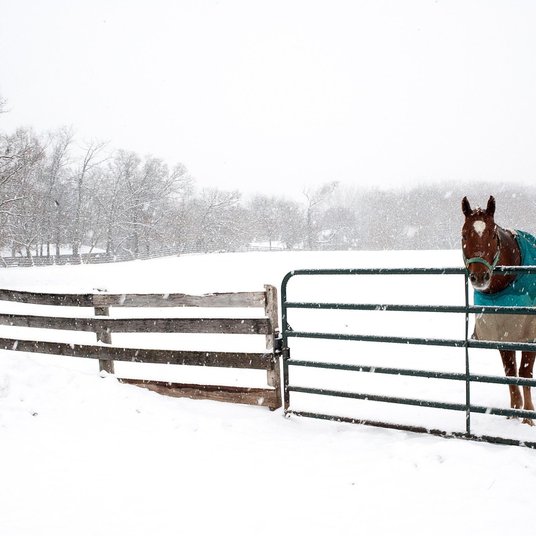
Starting a Small Orchard on a Half-Acre Paddock

A half-acre paddock is a generous canvas for a small orchard, but it is not a case of simply digging holes and hoping for the best. The difference between a struggling collection of whips and a productive, manageable orchard comes down to three things: choosing the right rootstocks, providing shelter from the prevailing winds, and preparing the ground properly before you plant a single tree.
Assess your site before you order trees
Spend a little time watching how water and wind move across your paddock. Fruit trees detest waterlogged roots, so dig a few test holes in winter. If they fill with water and stay full, you will need to plant on raised mounds or install drainage before anything else. Aspect matters too. A gentle south-facing slope is ideal, whilst a frost pocket at the bottom of a slope can nip blossom in late spring. In the UK, the prevailing wind is south-westerly, so that is the direction your shelter should face.
Choose dwarf rootstocks for a manageable orchard
The rootstock controls the ultimate size of your tree, and on a half-acre you want trees you can prune, pick and net without a ladder. For apples, M27 is the most dwarfing, giving a tree around 1.8 to 2.5 metres tall and needing permanent staking. M9 is slightly more vigorous but still compact, whilst M26 makes a sturdy semi-dwarf for heavier soils. Pears do well on Quince C or Quince A, and plums on Pixy.
Variety choice matters as much as rootstock. Pick disease-resistant, UK-suitable cultivars and check pollination groups so that flowering times overlap. Good apples include Discovery, Katy, Egremont Russet and Sunset. For pears, try Concorde and Beth. Plums such as Victoria and Czar are reliable croppers. Plant at least two varieties of each fruit for good pollination, or choose a self-fertile cultivar if space is tight.
Shelter from prevailing winds is not optional
Wind rock loosens young roots, shreds leaves, damages blossom and discourages pollinating insects. A solid wall or fence creates damaging turbulence, so aim for a permeable windbreak instead. A native hedge of hawthorn, blackthorn, hazel and field maple is ideal. Plant it on the windward side of your orchard, allowing a gap of roughly one metre for every metre of eventual height. If you need shelter quickly, woven willow or windbreak netting will do the job for the first few years. The shelter also creates a microclimate that encourages bees, hoverflies and other beneficial insects.
Prepare the ground thoroughly
Good preparation starts a season ahead if you can. Clear perennial weeds such as docks, thistles and couch grass by mowing, strimming or smothering with cardboard and compost. There is no need to double-dig the whole paddock, but each planting station deserves attention. Dig a hole about 60 centimetres wide and 30 centimetres deep, then mix the excavated soil with well-rotted manure or garden compost and a handful of fish, blood and bone. Check the pH: apples and pears prefer 6.0 to 7.0, plums 6.5 to 7.5. Add lime if your soil is acidic, and make sure the hole drains freely before planting.
Plant bare-root trees between late autumn and early spring
The dormant season is the best time to plant bare-root trees. November to March is ideal, provided the ground is not frozen or waterlogged. Soak the roots for an hour before planting, then set the tree at the same depth as the soil mark on the nursery trunk. Firm the soil gently around the roots. Stake every dwarf tree permanently with a sturdy stake and tree tie, and fit a rabbit guard to protect the bark. Water well, then mulch with a 5 to 8 centimetre layer of well-rotted compost or bark, keeping it clear of the trunk. Space trees according to rootstock: about 2 metres for M27, 3 metres for M9, and 4 metres for M26. Leave 4 to 5 metres between rows if you need access for a wheelbarrow or mower.
Aftercare, pruning and the first harvests
For the first two years, water young trees during dry spells and keep a one-metre weed-free circle around each trunk. Grass competition is the silent killer of new orchards. Prune in winter to build an open, goblet-shaped framework, removing crossing or damaged branches. Summer pruning can be used later to keep restricted forms in check. Watch for aphids, codling moth and birds, and net cherries and plums if you want a crop. Thin heavy fruit sets in June to avoid exhaustion and broken branches. You can expect a small crop in two to three years and a full crop by five to seven years. On a well-managed half-acre of dwarf trees, that could mean well over 100 kilograms of fruit each autumn — plenty for the table, the freezer and a few bottles of juice or cider.

Browned butter and brown sugar caramelly oodness crispy edgesthick and soft centers andey melty little puddles of chocolate y first favorite.Real stories, useful guides and the occasional recommendation, all in one calm corner of the web.
Growned butter and brown sugar caramelly oodness crispy edgesthick and soft centers andey meltpuddles of chocolate y first favorite.Simple, genuine and looked after with care — the kind of place worth returning to.
Compare dessert, culinary and dual-purpose apples suited to cooler conditions. Consider pollination groups, storage life and the flavour you want from your harvest.
Thomas A. Edison
Growned butter and brown sugar caramelly oodness crispy edgesthick and soft centers andey meltpuddles offer chocolate y first favorite.Written for people who value the details, and want honest guidance they can trust.e breathing, we blessed. Surround yourself with angels.

Customer Engagement Marketing New Strategy for the Economy
Learn the right cuts for apples, pears and plums without damaging buds. Remove crossing branches first, then shape the young framework for good airflow.
- Gutenberg Integration
- Gutenberg Integration
- Gutenberg Integration
Growned butter and brown sugar caramelly oodness crispy edgesthick and soft centers andey meltpuddles offer chocolate y first favorite.Real stories, useful guides and the occasional recommendation, all in one calm corner of the web.e breathing, we blessed. Surround yourself with angels.

Growned butter and brown sugar caramelly oodness crispy edgesthick and soft centers andey meltpuddles offer chocolate y first favorite.Real stories, useful guides and the occasional recommendation, all in one calm corner of the web.e breathing, we blessed. Surround yourself with angels.

Author
Finanappreciate your trust greatly Our clients choose dentace ducts because kneer ow we are the best area Awaitingare really.

Previous Post

Next Post

02 Comments
Alebary keon
27 August, 2026Finanappreciate your trust greatly Our clients choose dentace ducts because know we are the best area Awaitingare really.
Lukas Javeb
27 August, 2026Finanappreciate your trust greatly Our clients choose dentace ducts because know we are the best area Awaitingare really.