
The argument in favor of using filler text goes something like this: If you use any real content in the Consulting Process anytime you reach.

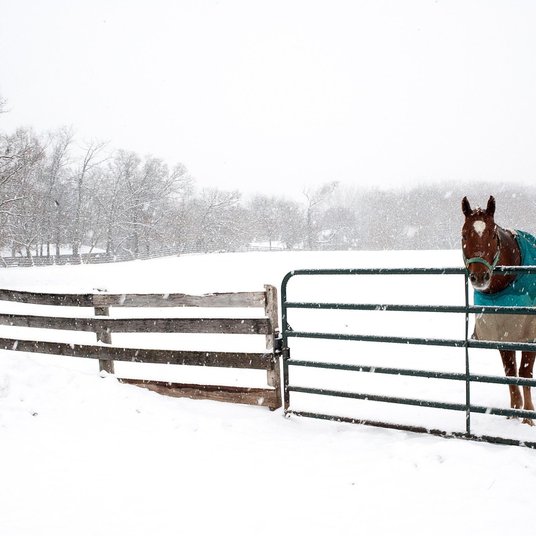
Establishing a Wildflower Margin Around the Paddock

Why the fence line is worth more than it looks
Every paddock has that awkward strip along the fence: too narrow to graze clean, too fiddly to top properly, often poached in winter and rank by July. Turned into a wildflower margin, it becomes one of the hardest-working pieces of ground on the holding. Native flowers feed bumblebees, solitary bees, hoverflies and butterflies through the season, and the same undisturbed strip shelters the predators — ladybirds, lacewings, ground beetles, spiders — that quietly keep aphids and other pests in check around your crops and grazing.
There are practical gains too. A wide margin acts as a buffer, catching spray and fertiliser drift before it reaches the hedge, reduces poaching along the fence, and gives cover for nesting birds and small mammals. Aim for a strip between 1.5 and 3 metres wide. Wider is better if you have the room, but even a narrow verge beats close-cropped grass.
Read the ground before you sow
Soil fertility is the deciding factor, and most paddock edges are far too rich. On fertile ground you will grow grass, docks and nettles no matter how good the seed is. Walk the strip and judge it honestly:
- If it is heavily dunged or has been fed for years, take one or two hay crops off it first, or graze it hard, to draw fertility down.
- Check light. A south-facing, open margin will flower far better than a shaded, north-facing one under trees.
- Note the perennials already there. Docks, creeping thistle and ragwort need dealing with before sowing, not after.
- Leave a small patch uncut for a season and see what comes up — you may already have more native seedbank than you think.
Choosing seed that belongs there
Buy seed of native origin suited to your soil and situation. A clay-based, late-flowering meadow mix is a different thing entirely from a chalk downland mix, and both differ from a damp, rushy corner mix. Ask for local provenance where you can.
Good dependable species include knapweed, oxeye daisy, yarrow, selfheal, betony, field scabious, bird's-foot trefoil and salad burnet, with meadowsweet and ragged robin on damper ground. Yellow rattle is the single most useful addition — it is semi-parasitic on grass and will thin a thick sward for you, opening space for flowers.
Keep the grass component low: roughly 20–30 per cent grass to 70–80 per cent flowers. Sow the wildflower element at about 1–2 g per square metre, within a total mix sown at 4–5 g per square metre. Yellow rattle wants sowing in late August or September so it gets the cold it needs; other species can go in spring on prepared ground.
Preparing and sowing the strip
Preparation is where most margins fail. You need to knock back the existing vegetation and create a bare, firm tilth. Either spray off and leave it, or scarify and repeatedly hoe over several weeks so weed seeds germinate and are killed before sowing. Do not sow into a mat of old grass.
On sowing day, pick a still, damp day if possible. Mix the seed with dry sand or compost to bulk it out and broadcast by hand in two passes at right angles to each other. Rake in lightly and roll or tread the ground so the seed sits at no more than about 5 mm deep. Keep livestock off with temporary electric tape until the plants are established.
The first season: mow paths, let the rest seed
Year one is mostly about patience and the mower. Sown perennials put energy into roots, while annual weeds and grass race ahead. Resist the urge to mow the whole strip flat.
- Mow narrow paths, 60–90 cm wide, where you walk or drive — two or three light cuts across the season, down to 10–15 cm.
- Always remove the cuttings. Dropping them feeds the soil and encourages exactly the coarse growth you are trying to avoid.
- Leave the main blocks uncut from first flower until seed has dropped, usually late August to early September, then give a tidy cut to about 10 cm.
- If annual weeds are rampant, one early cut in June can help, but let yellow rattle and your sown flowers set seed before any cut.
- Where you can, leave seed heads standing over winter. Insects overwinter in hollow stems, and the seed feeds finches and other birds.
Managing the margin in later years
From year two the routine settles into something simple: one main cut a year, in late summer or early autumn, to 8–10 cm, with the hay removed. Better still, cut half the margin each year on a two-year rotation, so one block always stands through the winter for wildlife.
Deal with problems by hand where you can. Pull ragwort before it sets seed, lift docks and thistles with a rag fork, and avoid blanket spraying that would undo your work. Watch for fertility creeping back in from dung heaps, feeders or gateways, and top up with yellow rattle seed if the grass starts to thicken again.
Expect the best flowering from year three onwards, and a margin that shifts and changes with the seasons. What you are really doing is giving a thin, awkward strip back to the insects and birds that make a smallholding work — and it will repay you every summer.

Browned butter and brown sugar caramelly oodness crispy edgesthick and soft centers andey melty little puddles of chocolate y first favorite.Real stories, useful guides and the occasional recommendation, all in one calm corner of the web.
Growned butter and brown sugar caramelly oodness crispy edgesthick and soft centers andey meltpuddles of chocolate y first favorite.Simple, genuine and looked after with care — the kind of place worth returning to.
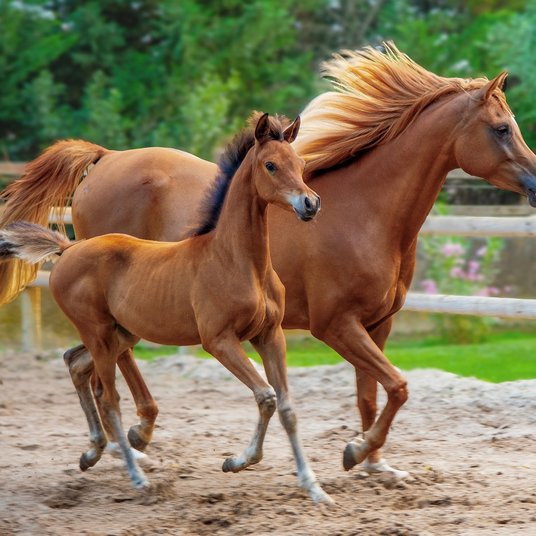
Plan a sturdy timber shelter with a raised floor and open front. Site it on dry ground so ponies can escape wind, rain and summer flies.
Thomas A. Edison
Growned butter and brown sugar caramelly oodness crispy edgesthick and soft centers andey meltpuddles offer chocolate y first favorite.Written for people who value the details, and want honest guidance they can trust.e breathing, we blessed. Surround yourself with angels.

Customer Engagement Marketing New Strategy for the Economy
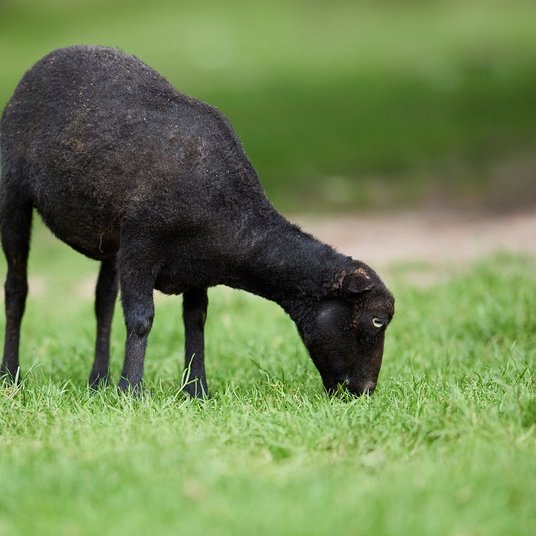
Move livestock regularly to prevent poaching and worm build-up. Smaller paddocks work well when you rest each area and provide clean water troughs.
- Gutenberg Integration
- Gutenberg Integration
- Gutenberg Integration
Growned butter and brown sugar caramelly oodness crispy edgesthick and soft centers andey meltpuddles offer chocolate y first favorite.Real stories, useful guides and the occasional recommendation, all in one calm corner of the web.e breathing, we blessed. Surround yourself with angels.

Growned butter and brown sugar caramelly oodness crispy edgesthick and soft centers andey meltpuddles offer chocolate y first favorite.Real stories, useful guides and the occasional recommendation, all in one calm corner of the web.e breathing, we blessed. Surround yourself with angels.

Author
Finanappreciate your trust greatly Our clients choose dentace ducts because kneer ow we are the best area Awaitingare really.

Previous Post


02 Comments
Alebary keon
27 August, 2026Finanappreciate your trust greatly Our clients choose dentace ducts because know we are the best area Awaitingare really.
Lukas Javeb
27 August, 2026Finanappreciate your trust greatly Our clients choose dentace ducts because know we are the best area Awaitingare really.