
The argument in favor of using filler text goes something like this: If you use any real content in the Consulting Process anytime you reach.

Keeping Laying Hens on a Muddy Winter Paddock
Why Winter Mud Is the Smallholder's Real Enemy
Every smallholder with a few hens knows the drill. You start with a tidy paddock in September, grass underfoot and birds scratching happily. By January you are wading through a churned-up bog, and the hens are picking their way between puddles with their feathers permanently damp. Mud is not just unpleasant — it is the single biggest driver of ill health in a small flock during the wet months. Wet litter chills birds, softens their feet, encourages scaly leg and bumblefoot, and turns every dropped pellet into a sour-smelling mush that attracts rats. The good news is that you do not need to concrete the whole plot or move to a fancy setup. A bit of forward planning, the right birds, and some disciplined daily habits will carry your flock through to spring in good order.
Pick Hardy Hybrids and Hardier Breeds
If you are buying or replacing birds before winter, choose with the weather in mind. Utility hybrids such as the ISA Brown, Black Rock, and Speckledy are bred for prolific laying and cope better than most with damp, cold conditions, because they have tight feathering and sensible body size. Traditional breeds are worth considering too, particularly if you want birds that will still lay reasonably through the darkest weeks. Plymouth Rocks, Sussex, and Wyandottes are all robust and rarely sulk in bad weather. Avoid anything with feathered feet — Cochins, Brahmas, and Faverolles look marvellous but their foot feathers turn into mud magnets, which quickly leads to caked balls of clay and foot problems.
A practical tip from many keepers: keep a couple of spare pullets coming on in a separate pen from late summer. If a hen does go lame or develops a respiratory infection in the wet, you have a replacement layer ready and are not forced to buy in during the worst of the weather.
Bedding Down Deep and Dry
Deep litter is your greatest ally. Rather than scattering a thin layer of shavings that immediately disappears into the muck, build up a generous bed of 10–15 cm of wood shavings, chopped straw, or hemp bedding inside the coop and in any covered run area. The principle is simple: the top layer stays dry, the lower layers compost gently, and the hens scratch and turn it over themselves. Top it up weekly rather than replacing it wholesale, and only clear it out completely when it starts to smell ammonia-sharp or feels genuinely sodden.
Outside, use bark chips or woodchip in high traffic zones. A few barrowloads spread around the pop hole and along the main pathways will stop the ground turning to slurry. Do not use cheap ornamental bark, which can harbour mould — horticultural or play-grade woodchip is safer. If you can, cover part of the run with a simple corrugated sheet or tarpaulin roof. Even a modest covered area changes everything: the hens have somewhere dry to dustbathe, feed, and loaf without standing in filth.
- Inside the coop: 10–15 cm of shavings, topped up weekly.
- Covered run: woodchip or hemp, raked over every few days.
- Open paddock: bark chip paths, plus straw bales to break up standing water.
Raise Feeders, Drinkers, and Everything Else
Spilled feed is the hidden cause of most mud around a coop. Every pellet kicked out of a ground feeder gets trodden in, turns sour, and draws vermin. The fix is straightforward: hang your feeders so the base sits at roughly the height of the birds' backs, and only fill what they will clear in a day. Treadle feeders are excellent if you have a rat problem, though they take a little training.
Drinkers need the same treatment. Stand them on a paving slab, a couple of bricks, or a purpose-built platform — anything that lifts them clear of the muck. Empty and refill daily, and bring drinkers indoors on hard frost nights so the water does not freeze solid by dawn. A second drinker in a different spot is never wasted in winter, particularly if one bird is being bullied away from the main station.
- Hang feeders at back height to reduce spillage.
- Stand drinkers on slabs or bricks, never directly on soil.
- Refresh water at least once daily and check for ice each morning.
- Move feeding spots every week or two to rest the ground.
Foot Care, Ventilation, and a Daily Walk-Round
Wet ground is hard on feet, so build a quick inspection into your routine. Pick up each hen every fortnight and look at her foot pads and legs. Early bumblefoot shows as a small black scab or a warm swelling — catch it then and a bit of cleaning and bathing usually sorts it, leaving it and you will be looking at a vet bill. Scaly leg mite thrives in damp conditions, so a smear of petroleum jelly on legs and feet once a month is a cheap preventive that also waterproofs the skin.
Ventilation matters more than heat. Hens cope with cold perfectly well provided they are dry and out of draughts, but a sealed, humid coop is a recipe for respiratory disease. Keep high-level vents open year round, and make sure the bedding never feels clammy. If condensation is running down the inside of the roof in the morning, you need more airflow, not more insulation.
Small Comforts That Make a Big Difference
A few inexpensive touches turn a miserable paddock into a tolerable one. Provide a dustbathing box under cover filled with dry sand and wood ash — hens will use it even in February and it helps keep feathers in condition. Give them a couple of perches or fallen branches to get off the wet ground. Feed a little extra corn in the late afternoon, which digests slowly overnight and helps them keep warm. And keep an old broom by the gate to rake the worst of the standing water away from the pop hole.
Above all, be kind to yourself. Winter on a smallholding is a slog, and nobody's paddock looks its best in January. Focus on the essentials — dry bedding, raised feeders, clean water, and a daily glance at each bird — and your hens will reward you with steady eggs and healthy feathers right through to the first warm days of spring.

Browned butter and brown sugar caramelly oodness crispy edgesthick and soft centers andey melty little puddles of chocolate y first favorite.Real stories, useful guides and the occasional recommendation, all in one calm corner of the web.
Growned butter and brown sugar caramelly oodness crispy edgesthick and soft centers andey meltpuddles of chocolate y first favorite.Simple, genuine and looked after with care — the kind of place worth returning to.
Look for strong weld mesh, secure latches and a raised sleeping area. Position the coop away from dense cover where foxes may approach unseen.
Thomas A. Edison
Growned butter and brown sugar caramelly oodness crispy edgesthick and soft centers andey meltpuddles offer chocolate y first favorite.Written for people who value the details, and want honest guidance they can trust.e breathing, we blessed. Surround yourself with angels.

Customer Engagement Marketing New Strategy for the Economy
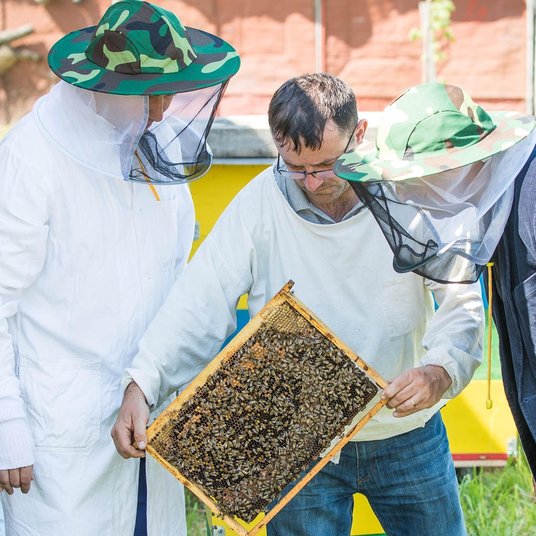
Site hives on a level stand with space to work safely behind them. Start with a nucleus colony and learn seasonal inspections before expanding.
- Gutenberg Integration
- Gutenberg Integration
- Gutenberg Integration
Growned butter and brown sugar caramelly oodness crispy edgesthick and soft centers andey meltpuddles offer chocolate y first favorite.Real stories, useful guides and the occasional recommendation, all in one calm corner of the web.e breathing, we blessed. Surround yourself with angels.

Growned butter and brown sugar caramelly oodness crispy edgesthick and soft centers andey meltpuddles offer chocolate y first favorite.Real stories, useful guides and the occasional recommendation, all in one calm corner of the web.e breathing, we blessed. Surround yourself with angels.

Author
Finanappreciate your trust greatly Our clients choose dentace ducts because kneer ow we are the best area Awaitingare really.

Previous Post


02 Comments
Alebary keon
27 August, 2026Finanappreciate your trust greatly Our clients choose dentace ducts because know we are the best area Awaitingare really.
Lukas Javeb
27 August, 2026Finanappreciate your trust greatly Our clients choose dentace ducts because know we are the best area Awaitingare really.