
The argument in favor of using filler text goes something like this: If you use any real content in the Consulting Process anytime you reach.

Siting Beehives for Shelter and Morning Sun
Why Siting Deserves Your Full Attention
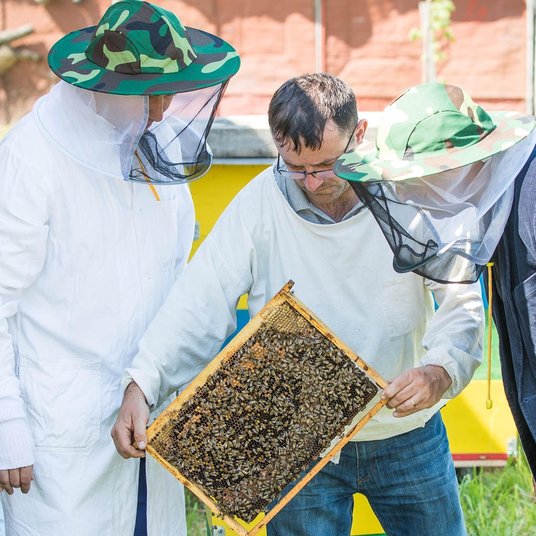
Beekeeping on a smallholding is a partnership with the weather. You can feed, treat, and inspect, but you cannot argue with a cold wind or a frosty hollow. The site you choose for your hives will shape how quickly your colonies build up in spring, how much they forage, and how much stress they endure. Get it right and the bees do much of the work for you. Get it wrong and you will spend years compensating for a mistake that a few hours of observation could have prevented.
Morning Sun: The Difference Between Waiting and Foraging
A hive entrance that catches the morning sun is one of the most valuable gifts you can give a colony. In early spring, when night temperatures still dip near freezing, the first rays of sun warm the front of the hive and the entrance. Bees break cluster earlier, make cleansing flights sooner, and start foraging while colonies in shaded spots are still waiting. Aim for at least two to three hours of direct sun on the entrance between 7am and 10am from March through May. An east or south-east facing entrance is ideal. South-facing works well too, though in a hot summer the hive may need some afternoon shade. North and north-east facing entrances are best avoided; they stay cold and damp for longer, and spring build-up suffers.
Shelter from Prevailing Winds
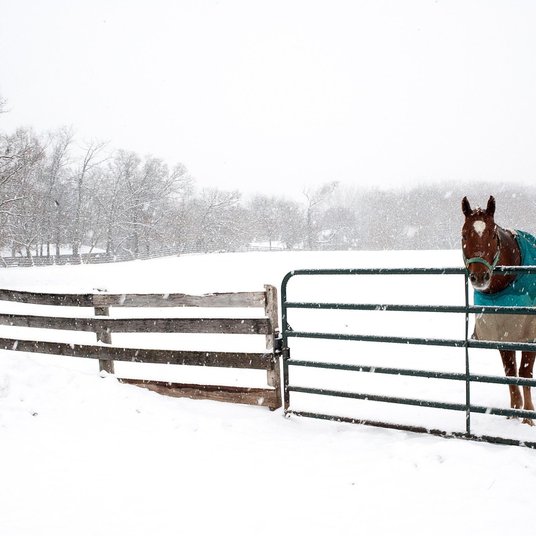
The UK's prevailing winds come from the south-west, so a hive fully exposed to that direction will be buffeted, chilled, and sometimes knocked. Wind also drives rain into the entrance and can blow bees off course. You want shelter, but not a dead calm that turns the apiary into a damp, airless pocket. A permeable windbreak is better than a solid wall. A mixed native hedge, a hazel hurdle, or a slatted fence filters the wind and reduces turbulence. Solid walls and dense conifers can create eddies that are just as troublesome. Position the windbreak two to three metres from the hives so air still moves, and make sure it does not cast shade over the entrance during your crucial morning sun window. In an exposed spot, a temporary windbreak of woven willow or a double layer of windbreak netting will help, but always leave the front of the hive open to the sun.
Avoiding Frost Pockets and Damp Hollows
Cold air behaves like water; it flows downhill and pools in hollows. A hive sitting in a frost pocket will be several degrees colder than one just a few metres higher. On still autumn mornings, look for mist lying in a dip or a patch of white frost that lingers after the rest of the field has thawed. Those are the places to avoid. Choose a gentle slope with free-draining soil, ideally facing south or south-east. Heavy clay that stays wet is bad news; damp hives are cold hives, and prolonged damp encourages mould and chalkbrood. If your only flat spot is a known frost pocket, consider raising the hives on a taller stand and using a windbreak, but be honest: moving them to a better spot is often the kinder choice.
Reading the Land Before You Commit
Before you commit, spend time on the site at different times of day and in different seasons. Visit at dawn in March to see where the sun first strikes. Walk the boundary on a windy November day and watch which way the grass bends. Note the trees, buildings, and hedges that might shelter or shade. A compass helps, but your own eyes and a few cups of tea are better. Also think about access. You will need to carry supers, feed, and equipment, often in wet weather. A track that turns to slurry is no fun in February. Keep hives away from footpaths and livestock if possible, and consider a sturdy fence or electric netting if badgers or deer are about. Badgers can wreck a hive in a single night, so a strapped hive on a solid stand is sensible.
Setting Up the Stand and Making Adjustments
Set hives on a stand at least 30-45 centimetres above ground. This lifts them out of the damp, improves airflow, and saves your back.
- Keep grass short in front of the entrance so bees have a clear flight path.
- Leave working space behind and beside each hive for inspections.
- Face the entrance slightly downwards so rain runs off, but avoid a stand that rocks.
- Secure hives with straps where badgers or livestock are a risk.
In a perfect spot, a gentle south-east aspect with morning sun, a hedge to the south-west, and well-drained soil will give you strong, early colonies. If your site falls short, adapt: plant a hedge this autumn for shelter in three years, use temporary netting now, or move hives to a higher shelf of land. Beekeeping rewards observation. Watch, adjust, and let the bees tell you what they need.

Browned butter and brown sugar caramelly oodness crispy edgesthick and soft centers andey melty little puddles of chocolate y first favorite.Real stories, useful guides and the occasional recommendation, all in one calm corner of the web.
Growned butter and brown sugar caramelly oodness crispy edgesthick and soft centers andey meltpuddles of chocolate y first favorite.Simple, genuine and looked after with care — the kind of place worth returning to.
Grow carrots, parsnips, beetroot and swedes for dependable winter meals. Store roots in sand, clamps or cool sheds after lifting on dry days.
Thomas A. Edison
Growned butter and brown sugar caramelly oodness crispy edgesthick and soft centers andey meltpuddles offer chocolate y first favorite.Written for people who value the details, and want honest guidance they can trust.e breathing, we blessed. Surround yourself with angels.

Customer Engagement Marketing New Strategy for the Economy
Build fertile beds without digging by layering cardboard, compost and mulch. This method suits clay soils and reduces weeds on a small plot.
- Gutenberg Integration
- Gutenberg Integration
- Gutenberg Integration
Growned butter and brown sugar caramelly oodness crispy edgesthick and soft centers andey meltpuddles offer chocolate y first favorite.Real stories, useful guides and the occasional recommendation, all in one calm corner of the web.e breathing, we blessed. Surround yourself with angels.

Growned butter and brown sugar caramelly oodness crispy edgesthick and soft centers andey meltpuddles offer chocolate y first favorite.Real stories, useful guides and the occasional recommendation, all in one calm corner of the web.e breathing, we blessed. Surround yourself with angels.

Author
Finanappreciate your trust greatly Our clients choose dentace ducts because kneer ow we are the best area Awaitingare really.

Previous Post


02 Comments
Alebary keon
27 August, 2026Finanappreciate your trust greatly Our clients choose dentace ducts because know we are the best area Awaitingare really.
Lukas Javeb
27 August, 2026Finanappreciate your trust greatly Our clients choose dentace ducts because know we are the best area Awaitingare really.