
The argument in favor of using filler text goes something like this: If you use any real content in the Consulting Process anytime you reach.

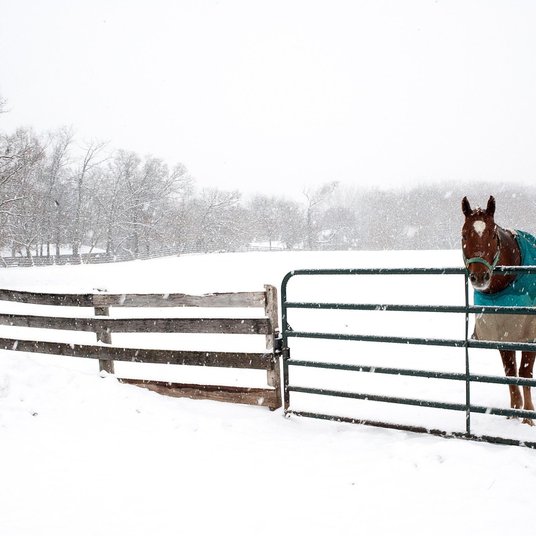
Willow Weaving for Garden and Paddock Boundaries
Why Willow Works on a Smallholding
Willow is one of the most useful trees a smallholder can grow. It crops quickly, tolerates wet ground and produces long, flexible rods that can be cut, soaked and woven into hurdles, plant supports and low screens. A well-managed willow bed gives you material for boundaries without buying in treated timber or plastic netting. The work fits the winter lull: harvest when the sap is down, sort the rods by size, then weave on wet days when the garden is too claggy to dig.
You do not need acres. A row of pollarded willows along a boundary or a patch of coppiced stools in a damp corner will produce plenty. Cut hard every year or two and it throws up strong, straight whips perfect for weaving.
Harvesting Rods in Winter
Cut willow between late November and early March, while the leaves are off and the sap is low. Choose a dry, frost-free day if you can, as frozen rods are brittle. Use sharp loppers or a pruning saw and cut each stool close to the ground, leaving a stub of 5–10 cm. This encourages new shoots from the base. Never leave a long stump: it splits, rots and invites disease.
Sort the rods straight away. Bundle them by length and thickness, tying with twine or a spare whip. Fine, pencil-thin rods are ideal for weaving. Thicker rods make strong uprights and stakes. Remove side shoots and any diseased wood. If you cannot use them immediately, stand the bundles upright in shallow water or lay them in a cool, shaded spot and keep them damp.
Soaking and Preparing Whips
Dry willow is stiff and snaps when bent. Soaking restores the flexibility that makes weaving possible. Fill a water butt, trough or old bath with clean water and submerge the bundles completely. Weigh them down with a brick. Soaking time depends on thickness and dryness: thin whips may need three to five days, thicker rods a week or more. In warm weather, change the water every couple of days so it does not go sour.
When the rods feel pliable, take them out and let them drain. They should bend without cracking but not be dripping wet. Wrap unused rods in a damp sack to stop them drying out. A rod soaked too long becomes soft and weak, so test one before committing the whole bundle. Freshly cut rods can be woven in winter without soaking, but dried rods always benefit from a good drink.
Weaving a Traditional Hurdle
A hurdle is simply a woven panel, and it is the backbone of many rural boundaries. For a sturdy garden hurdle, set two or three uprights — thicker rods or hazel stakes — about 45–60 cm apart. Drive them into the ground or fix them to a frame. Then weave thinner soaked rods horizontally, over and under the uprights, working from the bottom upwards. Push each rod snugly against the last, but do not force it. Alternate the direction of weave every few rods to keep the panel straight.
At the end, tuck the rod tip behind an upright or twist it back into the weave. Trim the ends with sharp secateurs and tap the top row level. A hurdle about 1.2 metres wide and 1 metre high is easy to handle. Use the same method for low screens around a vegetable bed or compost heap. For paddock boundaries, make taller, heavier panels and secure them to stout posts; willow alone is not stock-proof, but it makes an excellent windbreak alongside a fence.
Plant Supports and Low Screens
Willow earns its keep in the kitchen garden. Push five or six long rods into the soil in a circle, gather the tops and tie them with twine to make a wigwam for climbing beans or sweet peas. For an obelisk, weave shorter rods horizontally between the uprights as you build. Round plant supports are made by bending soaked rods into hoops and weaving cross-pieces. They keep floppy perennials tidy without plastic.
Low screens are another simple project. Weave a short hurdle, then push it into the ground along a path, patio or herb bed. You can also plant willow cuttings close together and weave the growing shoots in summer to make a living screen. Keep it trimmed to encourage dense growth. A low basket-weave edging between uprights will last several years if kept off wet soil and given good airflow.
Siting, Maintenance and Longevity
Willow is not naturally rot-resistant when continually wet, so site woven panels with care. Keep the base of a hurdle slightly above soil level by resting it on stones or a gravel-filled trench. Avoid direct contact with permanently soggy ground. In exposed paddocks, anchor panels to posts and leave a gap for wind to pass through; a solid barrier can catch the wind and break. Check ties and stakes each spring and repair broken rods before the panel loosens.
With reasonable care, a willow hurdle will last five to ten years, and longer if kept dry under cover. Keep cutting your willow stools each winter. The more you harvest, the more rods you will have next year — and the more tidy, useful country craft you can weave into your smallholding.

Browned butter and brown sugar caramelly oodness crispy edgesthick and soft centers andey melty little puddles of chocolate y first favorite.Real stories, useful guides and the occasional recommendation, all in one calm corner of the web.
Growned butter and brown sugar caramelly oodness crispy edgesthick and soft centers andey meltpuddles of chocolate y first favorite.Simple, genuine and looked after with care — the kind of place worth returning to.
Learn to assess loose stones and rebuild sections with a batter. Good drainage and careful placement keep walls sound through frost and rain.
Thomas A. Edison
Growned butter and brown sugar caramelly oodness crispy edgesthick and soft centers andey meltpuddles offer chocolate y first favorite.Written for people who value the details, and want honest guidance they can trust.e breathing, we blessed. Surround yourself with angels.

Customer Engagement Marketing New Strategy for the Economy
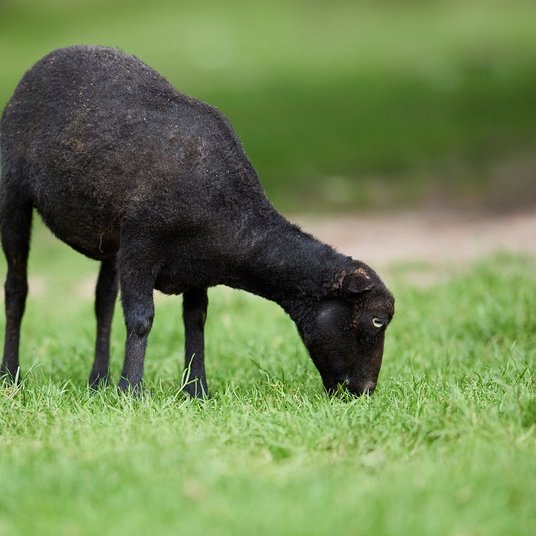
Check fleeces, feet and body condition more often in wet weather. Provide shelter, dry lying areas and fresh forage to prevent foot rot.
- Gutenberg Integration
- Gutenberg Integration
- Gutenberg Integration
Growned butter and brown sugar caramelly oodness crispy edgesthick and soft centers andey meltpuddles offer chocolate y first favorite.Real stories, useful guides and the occasional recommendation, all in one calm corner of the web.e breathing, we blessed. Surround yourself with angels.

Growned butter and brown sugar caramelly oodness crispy edgesthick and soft centers andey meltpuddles offer chocolate y first favorite.Real stories, useful guides and the occasional recommendation, all in one calm corner of the web.e breathing, we blessed. Surround yourself with angels.

Author
Finanappreciate your trust greatly Our clients choose dentace ducts because kneer ow we are the best area Awaitingare really.

Previous Post


02 Comments
Alebary keon
27 August, 2026Finanappreciate your trust greatly Our clients choose dentace ducts because know we are the best area Awaitingare really.
Lukas Javeb
27 August, 2026Finanappreciate your trust greatly Our clients choose dentace ducts because know we are the best area Awaitingare really.