
The argument in favor of using filler text goes something like this: If you use any real content in the Consulting Process anytime you reach.

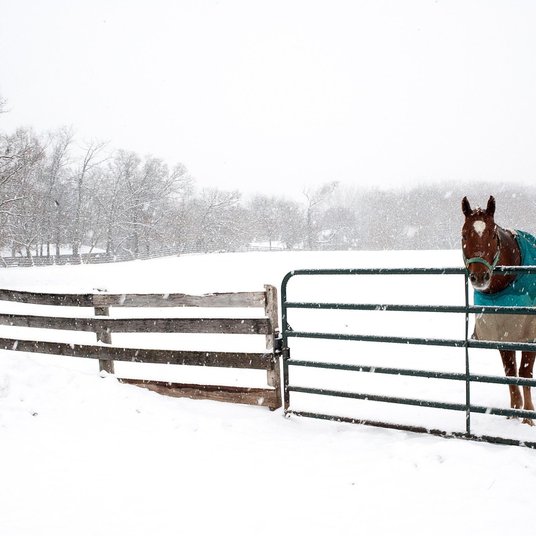
Managing Mud Around Gates and Water Troughs
Why Gateways and Troughs Turn to Slop First
Every smallholding has its own bog. It is almost always in the same two places: the gateway you use twenty times a day, and the ring of mud around the water trough. Both are pinch points. Livestock congregate there, hooves churn the surface, and the soil structure collapses into a poached, airless paste that holds water like a sponge.
The problem is compounded by where the water comes from. A gateway sits in the lowest point of a hedge line, so every drop that runs off the field above it funnels through that six-foot gap. A trough adds its own supply: drips from a ball valve, a splash every time an animal lifts its head, and the overflow you have not noticed for a fortnight. Fix the surface without fixing the water and you will be back to square one by February.
Rebuilding a Gateway So It Stays Firm
A gateway is not a path — it is a small civil engineering project, and it is worth doing properly once rather than tipping a barrow of stone into the hole each autumn. The principle is a layered base: separation, drainage, then a wearing surface that sheds water rather than holding it.
- Dig out the worst. Remove the poached top layer to around 200mm and take the edges back at least a metre beyond the gateposts so you are not left with a narrow strip flanked by mud.
- Lay a geotextile membrane. A woven or non-woven separation fabric stops your stone sinking into the subsoil. Overlap the joints by 300mm, turn the edges up the sides, and take it well past the footprint.
- Build up in layers. 100–150mm of clean 40mm stone as a drainage layer, then 50–75mm of 20mm to dust or Type 1 as the running surface. Compact each layer before the next goes on — a plate compactor or the tractor bucket will do at a push.
- Finish slightly proud and cambered. The stone should sit just above the surrounding ground and fall away from the gate, so water runs off rather than pooling in the middle.
- Fit a sill or kerb. A timber sill or a line of setts under the gate stops stone migrating into the field and gives you a clean edge to scrape back to.
Road planings are a cheap alternative for a farm track and bind well once rolled, but they can be sticky in summer and are best kept for lower-traffic gateways.
Cutting the Water Off Before It Arrives
Most mud is a drainage problem wearing a surface problem as a disguise. Before you spend anything on stone, walk the ground above the gateway in the rain and watch where the water actually goes.
A shallow cut-off channel across the track, 150–200mm deep and running at a gentle fall, will divert sheet flow into the hedge or a nearby ditch instead of through the gate. On longer slopes, cut a series of grips — short angled channels — at intervals to break the flow. Where the water is persistent, a French drain along the uphill edge of the gateway works well: a 300mm trench, perforated pipe, and 20mm clean gravel wrapped in geotextile, discharging to a soakaway or ditch well clear of the yard.
Keep the outfall clear. A blocked pipe is worse than no pipe, because you have spent the money and still have the puddle.
Getting Troughs Off the Mud
A trough standing directly on grass or bare soil will always be surrounded by a crater. Water splash plus constant hoof traffic equals a ring of slop that widens every week, and it never dries out because the trough keeps topping it up.
The answer is a gravel pad. Aim for a minimum of three metres square for cattle, smaller for sheep, ideally with the trough set towards one edge so animals approach from a single direction rather than circling it.
- Prepare the base as you would a gateway: geotextile over compacted subsoil, then 100mm of 40mm stone, topped with 50mm of 20mm clean gravel.
- Set the trough on a concrete apron or a paving slab base, sitting 50mm proud of the gravel so spillage runs off the pad rather than underneath it.
- Edge the pad with timber or a low kerb to stop gravel migrating into the field and to give you something to scrape against.
- Check the ball valve monthly. A valve set too high trickles constantly. Fit a short discharge pipe to take any overflow well away from the pad.
If you run a rotational grazing system, a portable trough with a quick-release coupling makes it easy to shift the drinking point each move, letting the old pad rest and recover.
Small Habits That Keep the Mud at Bay
Good infrastructure only works if you maintain it. Scrape gateways back to stone at the end of each grazing season, and top up the running surface before the autumn rains rather than after the damage is done. Keep a box scraper or a bucket with a sharp edge handy for lifting the worst of the slurry off hardstanding.
Think about stock flow too. Siting a second gate so you can shut off the wettest corner, or moving a gateway out of a hollow to a higher, better-drained spot, can solve a problem that no amount of stone will cure. Deep straw or woodchip pads buy you time in a wet spell, though they will rot down and need replacing.
None of it is glamorous work. But a dry gateway and a clean trough pad mean fewer foot problems, less poaching, and a lot less time spent hauling buckets through a swamp in January — which is worth every barrow of stone.

Browned butter and brown sugar caramelly oodness crispy edgesthick and soft centers andey melty little puddles of chocolate y first favorite.Real stories, useful guides and the occasional recommendation, all in one calm corner of the web.
Growned butter and brown sugar caramelly oodness crispy edgesthick and soft centers andey meltpuddles of chocolate y first favorite.Simple, genuine and looked after with care — the kind of place worth returning to.
Compare post and rail, electric tape and stock netting for small fields. Choose durable materials and plan gates for easy movement of animals.
Thomas A. Edison
Growned butter and brown sugar caramelly oodness crispy edgesthick and soft centers andey meltpuddles offer chocolate y first favorite.Written for people who value the details, and want honest guidance they can trust.e breathing, we blessed. Surround yourself with angels.

Customer Engagement Marketing New Strategy for the Economy
Dig a pond with shallow shelves and a deeper central area. Native plants and log piles create habitat for frogs, newts and insects.
- Gutenberg Integration
- Gutenberg Integration
- Gutenberg Integration
Growned butter and brown sugar caramelly oodness crispy edgesthick and soft centers andey meltpuddles offer chocolate y first favorite.Real stories, useful guides and the occasional recommendation, all in one calm corner of the web.e breathing, we blessed. Surround yourself with angels.

Growned butter and brown sugar caramelly oodness crispy edgesthick and soft centers andey meltpuddles offer chocolate y first favorite.Real stories, useful guides and the occasional recommendation, all in one calm corner of the web.e breathing, we blessed. Surround yourself with angels.

Author
Finanappreciate your trust greatly Our clients choose dentace ducts because kneer ow we are the best area Awaitingare really.

Previous Post


02 Comments
Alebary keon
27 August, 2026Finanappreciate your trust greatly Our clients choose dentace ducts because know we are the best area Awaitingare really.
Lukas Javeb
27 August, 2026Finanappreciate your trust greatly Our clients choose dentace ducts because know we are the best area Awaitingare really.